Perimenopause and Menopause: Information for Men
Understand What Is Changing—and Learn How to Offer Meaningful Support
Things can begin to feel different during perimenopause and menopause—for her and for the people who care about her.
Changes in sleep, energy, concentration, emotions, and stress capacity can affect how she feels and how much everyday life takes from her.
You may see her needing more space, becoming overwhelmed more quickly, or taking longer to recover from a difficult day—and not know what is happening or how to respond.
This page offers a clear overview of what is changing, what she may be experiencing, and how you can offer meaningful support without dismissing her feelings or trying to solve everything.
Menopause Affects More Than Menstrual Cycles
Hormonal changes during the menopause transition can influence sleep, body temperature, energy, mood, memory, language, concentration, and the way the brain and nervous system respond to stress.
These changes do not look the same for every woman. Symptoms can vary from one woman to another and can also change from one week—or one day—to the next.
This means that something she managed easily before may now require more energy. A disrupted night, a demanding conversation, too much noise, or a full day of responsibilities may affect more of her day and take longer to recover from.
Understanding this does not mean explaining every feeling or disagreement through hormones.
It means recognizing that real biological changes may be influencing what she is carrying and how much capacity she has available.
What She May Be Experiencing
Her experience may include:
- disrupted sleep or waking during the night
- hot flashes, night sweats, pain, headaches, or physical discomfort
- exhaustion that is not fully relieved by rest
- changes in concentration, memory, or word retrieval
- greater sensitivity to noise, pressure, interruption, or competing demands
- anxiety, urgency, irritability, anger, sadness, or emotional intensity
- less capacity for responsibilities she has carried for years
- a stronger need for quiet, space, clarity, or practical support
Not every woman experiences all of these, and menopause should not become the explanation for everything she says, feels, or needs. Listen to her individual experience rather than deciding what menopause is supposed to look like
Support Is Not the Same as Fixing
When someone you care about is struggling, it is natural to look for a solution. But advice, reassurance, or an immediate attempt to solve the problem can leave her feeling more alone—especially when she is trying to tell you what the experience is costing her.
Often, the more helpful place to begin is:
“Do you want me to listen, help you think this through, or take something off your plate?”
That question gives her room to tell you what kind of support would help in that moment
What Support Can Look Like...
Listen Without Explaining Her Experience Away
You do not need to completely understand what she feels in order to take it seriously.
Let her finish.
Ask what the experience is like for her before offering your interpretation.
Ask Rather Than Assume
-
Try:
- “What would be most helpful right now?”
- “Would you like company, practical help, or some space?”
- “Is there something I could take care of today?”
- “Do you want me to listen or help you look for options?”
Notice the Less Visible Work
Planning, remembering, anticipating, organizing, and keeping track of what everyone needs all use capacity. Look for responsibilities you can fully take over—not just tasks you complete after she has identified, explained, and managed them.
Be Specific With Practical Help
“Let me know if you need anything” still leaves her responsible for noticing, deciding, and asking.
Instead, offer something concrete:
- “I’ll take care of dinner tonight.”
- “I’ll handle the appointment and follow-up.”
- “I’ll take responsibility for this each week.”
“I can make the call. Would that help?”
Respect Her Need for Space Without Withdrawing
Needing less conversation, less noise, or a pause does not necessarily mean she is rejecting you. You can give space while remaining connected:
“I’ll give you some room. I’m here when you’re ready.”
Stay Curious During Difficult Moments
Strong emotion is not automatically an overreaction, and quiet is not always calm. Instead of deciding what her response means, slow the exchange and ask what is happening for her.
What Often Makes Support Harder
Try to avoid:
- asking, “Is this your hormones?” during a disagreement
- treating every feeling or concern as a menopause symptom
- telling her to calm down, be positive, or stop worrying
- comparing her experience with another woman’s
- offering solutions before hearing what she is saying
- waiting for her to manage you through helping her
- taking her need for rest or space as a personal rejection
- assuming that because a symptom is common, it is easy to live with
Menopause may be part of the context, but she is still a whole person whose feelings, perceptions, and concerns deserve to be heard
A More Helpful Way to Approach a Difficult Conversation
You do not need the perfect words. Begin with a willingness to understand.
You might say:
“I can see that this is taking a lot from you. I want to understand what would make today easier.”
Or:
“I realize I have been trying to solve this instead of listening. Can we begin again?”
Or:
“What are you carrying right now that I may not be seeing?”
Small changes in how you listen, respond, and share responsibility can reduce strain and create more room for both of you.
Encourage Support Without Taking Over
Some women want medical information, therapeutic support, practical guidance, or a combination of approaches. You can support her in finding qualified care without deciding what she should do or presenting one treatment as the answer.
If she is concerned about new, severe, or changing symptoms, encourage her to speak with a qualified healthcare professional who will take her experience seriously
About AmiBalance™
AmiBalance™ is an eight-week program created exclusively for women in perimenopause, menopause, and the years after. It offers practical, menopause-informed nervous-system support for symptoms, stress, difficult moments, and recovery.
The women-only space allows participants to speak openly, practice together, and receive support centered on their own lived experience.
This separate page was created so that men who care about a partner, family member, friend, or colleague can learn more without entering that private space
Would You Like More Guidance for Men?
I am considering additional resources specifically for men who want to better understand menopause, communicate with greater awareness, and offer practical support.
If you would like to hear when a guide, recorded class, or live conversation becomes available, you can add your name below.
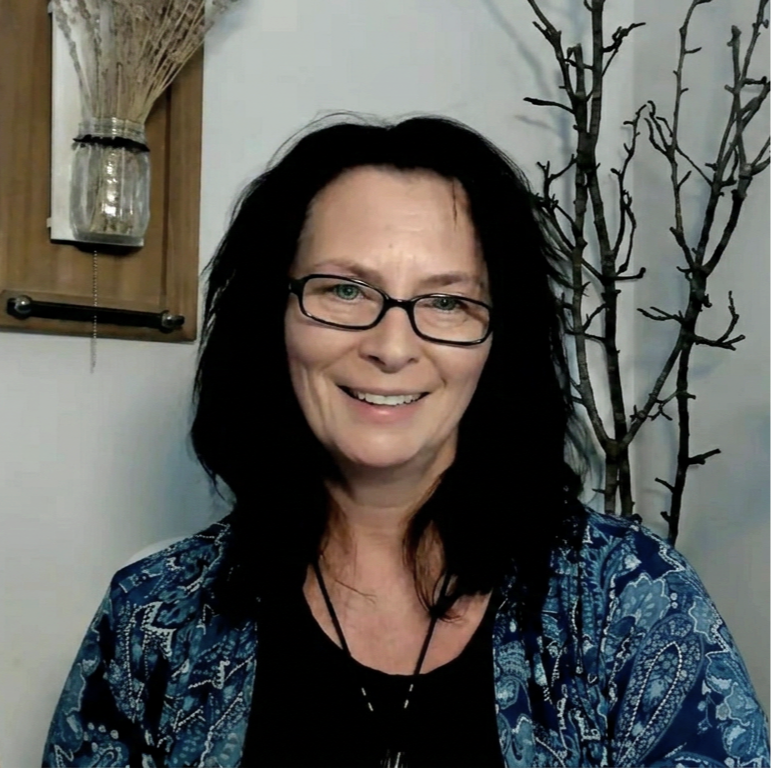
About Iwona Gerner, LCPC
Iwona Gerner is a licensed psychotherapist, trauma specialist, and somatic therapy practitioner with more than 20 years of experience supporting women through significant life transitions.
Her work brings together menopause education, nervous-system understanding, practical support, and the lived realities of women navigating perimenopause, menopause, and the years after.
AmiBalance™
Understand. Support. Balance.
Begins September 23, 2026
Frequently Asked Questions
Is this page only for husbands or partners?
Should I assume that changes in our relationship are caused by menopause?
What if she does not want to talk about menopause with me?
Can I join AmiBalance™ with her?
What is the most important thing I can do?
Can Perimenopause or Menopause Affect Sexual Desire and Intimacy?
Should I Mention Menopause to Her?
Why Does Her Experience Seem to Change From Day to Day?
What Should I Do When a Conversation Becomes Heated?
How Can I Help Without Making Her Tell Me What to Do?
What If This Transition Is Affecting Me Too?
The information on this page is provided by PeriBalance, LLC, d/b/a Balance Through Menopause™, for general educational purposes only. It is not medical care, mental-health care, psychotherapy, couples or relationship therapy, diagnosis, treatment, or crisis support. Reading or using this information does not establish a therapist-client or other professional relationship with Iwona Gerner, LCPC, or her clinical practice. This information is not a substitute for individualized care, and experiences vary. Please consult qualified medical and mental-health professionals regarding your individual circumstances. If you or someone you know is experiencing a medical or mental-health emergency, contact your local emergency services.